(737) 241-3988

Get Started

Can You Get a Loan With a 500 Credit Score?

A balance scale comparing a 500 credit score on the left with loan options like FHA Mortgage, Payday Alternative Loans, and Buy Now Pay Later on the right

Although a 500 credit score limits your options, you may still qualify for certain types of loans. However, poor credit usually results in higher APRs and fees, lower loan amounts, and shorter repayment terms, which can make your loan more difficult to manage. Before committing, evaluate the real cost of borrowing, budget for payments, and assess your financial situation carefully.

Table of Contents


  1. Loans for a 500 Credit Score at a Glance
  2. Is 500 Considered Good Credit?
  3. Types of Loans Available with a Credit Score of 500
  4. Common Risks of Borrowing with a 500 Credit Score
  5. Tips on Choosing the Right Loan with a 500 Credit Score
  6. Last-Resort Loans for Bad Credit
  7. Ways to Improve Your Credit Score
  8. Alternatives to Borrowing for People with Bad Credit

Key points

  • A 500 credit score is considered poor, making it difficult to qualify for loans or get favorable terms.
  • Bad-credit loans typically have high APRs, short repayment terms, and small borrowing limits.
  • Loans that allow a 500 credit score include bad-credit personal loans, secured loans, payday alternative loans, cash advance app loans, credit card loans, federal student loans, FHA loans and cash-out refinance, alternative small business loans, 401(k) loans, and BNPLs.
  • People with poor credit can also qualify for last-resort loan options, but they should be approached cautiously due to very high APRs and fees.
  • If borrowing money does not seem like a good idea, consider government-backed programs, payment extensions, earned wage access, selling unused items, or turning to a nonprofit credit counselor.
  • Boosting your credit score is a smart way to expand your choice of loan products and potentially get better loan terms in the future.

Loans for a 500 Credit Score at a Glance


Type of LoanAmount/LimitRepayment PeriodHow It Works
Bad-Credit Personal Loans $1,000–$5,000 or more 12–60 months The loan amount is disbursed in one lump sum with repayment in fixed installments. No collateral is required
Secured Personal Loans Up to 85% of the collateral value 12–84 months A borrower receives a portion of the pledged asset’s value and makes equal monthly payments. The item used as collateral may be repossessed if a borrower defaults
Cosigned Loans $1,000–$50,000 12–84 months A cosigner vouches for a primary borrower and becomes responsible for repaying the loan if they fail to repay on time
Payday Alternative Loans $200–$1,000 or up to $2,000, depending on the PAL type 1–6 months or 1–12 months Small personal loans with reasonable APRs available to credit union members with bad credit
Loans Through Cash Advance Apps $25–$500 (some apps advertise up to $750 or $1,000) 14–30 days A borrower can get a small amount against their upcoming paycheck, often with no mandatory interest applied
Credit Card Loans $200–$500 (up to $2,500 for secured options) Revolving credit On-demand access to a specific credit limit. Interest only applies to the used amount. Once the balance is paid off, a borrower can use the money again
Auto Loans Up to 100% of the vehicle’s price 24–84 months A loan for car purchase. The lender transfers the money directly to a car seller. The vehicle you purchase serves as collateral and can be repossessed if you default
Federal Student Loans (excl. PLUS Loans) $5,500–$50,000 annually Up to 10 or 30 years A specific-purpose loan for education-related expenses. A borrower gets a payment deferment while in school
FHA Mortgage Loans Limits vary by county and family size 15 or 30 years A home loan backed by the Federal Housing Administration
FHA Cash-Out Refinance Up to 80% of your home’s appraised value 15 or 30 years Homeowners can replace their current mortgage with a new, larger one and receive the difference in cash
Small Business Loans $5,000–$15,000 or more 12–84 months A company borrows a set amount of money from a lender and repays it over time with interest
401(k) Loans Up to $50,000 or 50% of your vested account balance, whichever is less Up to 5 years (may be extended if you use the funds to purchase a primary residence) Borrowing from retirement savings, with interest going back to the 401(k) account. If not repaid, the outstanding balance may count as a taxable withdrawal
Buy Now, Pay Later $100–$2,500 or more 6 weeks, sometimes longer, depending on the item you buy A borrower can split the purchase cost into 4 equal installments, with the first payment made upfront. Usually interest-free as long as repaid on time

Is 500 Considered Good Credit?


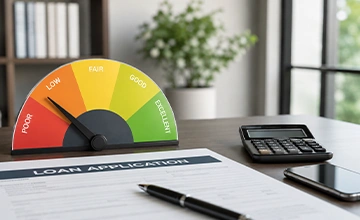
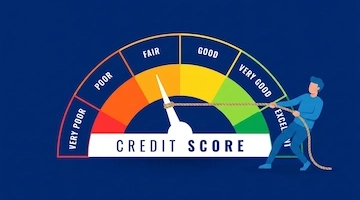
A 500 credit score falls into the “poor” category. Here’s where a 500 score sits on the FICO scale*:

RangesFICO Credit Score
Poor 300–579
Fair 580–669
Good 670–739
Very Good 740–799
Exceptional/Excellent 800–850

*Most people refer to the FICO scoring model when talking about credit scores.

What Does It Mean?

A low credit score typically reflects past financial difficulties that resulted in late payments, loan defaults, collections, bankruptcies, or other derogatory marks. That means lenders see you as a risky borrower and are more likely to deny you a loan or offer less favorable terms. Poor credit may also affect other aspects of your financial life, including insurance rates, rent or utility security deposits, and your ability to get a job involving financial management.

Types of Loans Available with a Credit Score of 500


Here are financing products that accept borrowers with a 500 credit score.

Bad-Credit Personal Loans

These unsecured loans provide you with a lump sum that you repay with interest over a set period. While traditional banks usually require you to have a credit score of at least 580–620, alternative lenders often look beyond just your credit score. They assess your income, payment history, bank account activity, and employment stability to see how likely you are to repay on time. APRs can range from approximately 28% to 150%+ depending on the lender and your financial profile. You can typically borrow up to $5,000, depending on your income.

Read about: Best Personal Loans for People with Bad Credit in 2026

Secured Personal Loans

Secured loans are financing products that require collateral. The asset you pledge serves as an extra repayment guarantee and can be repossessed if you fail to repay. The loan amount is usually up to 85% of the asset’s value. Providing collateral may increase your approval chances or result in lower APRs compared to unsecured options. However, you need to carefully evaluate the risks.

Cosigned Loans

A cosigned loan is an agreement where a second party signs a loan contract along with a primary borrower and becomes responsible for repayment if they default. A cosigner has no legal rights to the loan funds or any property purchased with them, but they still share financial liability and can face credit score damage in case of missed or late payments. Adding a cosigner with a stable income and strong credit to your application can offset your low credit score, helping you qualify and/or get lower interest rates.

Credit Union Payday Alternative Loans

Payday alternative loans (PALs) are designed to help people with bad credit avoid high-interest debt. They are regulated by the National Credit Union Administration and subject to strict federal caps on interest rates, loan amounts, and fees. There are 2 types of PALs available. PAL I offers amounts of $200–$1,000 for 1–6 months, while PAL II provides up to $2,000 in financing with repayment over 1–12 months. APRs are capped at 28% plus an application fee of up to $20. You need to be a credit union member (for at least 1 month for PAL I) to qualify.

Loans Through Cash Advance Apps

A cash advance app may help you receive a small amount before your next paycheck, often at no mandatory interest. To get started, you need to download an app on your phone, create a profile, and link your bank account to it. The app will then scan your account activity to determine how much you can borrow. The money needs to be repaid on your next pay date, usually within 14–30 days. Some apps may charge monthly subscription or instant deposit fees that can raise the effective APR to 50%–400%+.

Credit Card Loans

Most credit card companies require a credit score of at least 580. However, some issuers offer cards to borrowers with bad credit, although their interest rates and fees are typically very high. For example, a PREMIER Bankcard® Mastercard® credit card has a purchase APR of 36% and an annual fee of $85–$175. People with a credit score of 500 can also consider secured credit cards that require a cash deposit and may help build credit over time.

Auto Loans

These loans are designed specifically for vehicle purchase. Auto loan lenders typically accept borrowers with a credit score of 500, but interest tends to be high. On average, people with poor credit get APRs of 16.01% for new cars and 21.77% for used cars – more than twice as high as the 6.23% and 8.77% APRs offered to prime borrowers. Although you can finance up to 100% of the car value, some lenders may ask you to make a down payment.

Federal Student Loans

Unlike private loans, federal student loans (except for PLUS loans) do not require good credit. Your eligibility is determined based on need, dependency, enrollment status, cost of attendance, and year at school. Interest rates are fixed and do not depend on your credit score. Congress updates them for new borrowers once a year. Current rates for Direct Loans first disbursed on or after July 1, 2026, and before July 1, 2027, are 6.52% for undergraduate students and 8.07% for graduate or professional students.

FHA Loans

FHA loans are government-backed mortgages insured by the Federal Housing Administration. They are designed to help people with low credit and small savings buy a home. Although FHA technically allows a credit score of 500, it may be difficult to find a lender with credit score requirements that low and pass its strict underwriting. You will also need to make a down payment of at least 10%.

FHA Cash-Out Refinance

FHA cash-out refinance allows you to replace your current mortgage with a new loan insured by FHA. This new loan is larger than your outstanding mortgage balance, meaning that you receive the difference in cash and can use it for your personal needs. The maximum loan-to-value (LTV) ratio for this loan type is 80%, so you must own at least 20% of your home’s equity. However, borrowers with credit scores of 500 usually need a lower LTV.

Small Business Loans

While traditional SBA loans typically require a minimum credit score of 680, alternative lenders may offer financing starting from 450. These options are typically revenue-based and have higher interest rates. In most cases, you can only qualify for business microloans, though some revenue-based lenders may offer more depending on business performance.

401(k) Loans

People with employer-sponsored retirement savings plans may consider borrowing money from their 401(k) account. This option requires no credit check and carries no immediate tax impact, provided you make your payments on time. If you don’t repay the loan, the unpaid amount is considered a taxable distribution. If you are under 59 ½, you may also have to pay an additional 10% withdrawal penalty. Your plan may even require you to repay the loan in full if you leave your job.

Buy Now, Pay Later

Also known as pay-in-4, standard “buy now, pay later” (BNPL) programs help you finance a purchase without paying the entire amount upfront. You can apply for a BNPL at the moment of purchase, whether you shop online or at a store. No hard credit check is typically required, and no interest applies to a standard pay-in-4 as long as you pay on time. However, late payments may trigger a fee of around 25%, depending on the provider, and be reported to credit bureaus, resulting in further credit score damage.

Common Risks of Borrowing with a 500 Credit Score


Taking on debt is not always the best decision, especially if you already experience financial problems that have affected your credit score. Taking out a loan with poor credit typically means dealing with:

Tips on Choosing the Right Loan with a 500 Credit Score


Poor credit does not mean you need to accept the first offer that comes along, even when your options are limited. Take the following steps during loan shopping to choose the best possible product for your situation:

Last-Resort Loans for Bad Credit


Some financing options may be easier to access compared to traditional loans. However, they need to be used carefully and for real emergencies only. Here are last-resort loans that require caution.

Payday Loans

Payday loans are short-term financing products designed to help you bridge small cash shortfalls. You can typically borrow up to $1,000, depending on your income and state regulations, and need to repay the funds within 14–30 days. The due date is usually tied to your next paycheck. Payday lenders generally charge $10–$30 for each $100 of the loan, which translates to an APR of nearly 260%–780%* on a 14-day loan. They are prohibited or heavily restricted in many states.

High-Interest Installment Loans

These loans are designed to help people with bad credit finance larger needs while making monthly payments more manageable. They offer loan amounts of $500–$5,000 for 2–24 months, allowing you to repay in fixed monthly installments. However, their APRs typically range from 16% to 200%*. While the initial annual cost is lower compared to payday loans, longer repayment terms result in more interest paid over time.

Title Loans

Title loans work similarly to payday loans but use your car as collateral. You can borrow around 25%–50% of your vehicle’s value and need to repay the money with interest in up to 30 days. Title loan APRs are high and may reach 300%+*. This, along with their short repayment terms, makes them difficult to repay on time, which may result in car repossession. Check your local laws before applying, as title loans are prohibited in some states.

Pawnshop Loans

A pawnshop loan can provide you with urgent cash without any application or verification. You bring your valuable item, such as electronics, jewelry, or musical instruments, directly to a pawn shop and receive 25%–60% of the item’s current resale value after a pawnbroker evaluates it. Then, you have 30–60 days to repay the money with interest to get your item back. Interest rates are typically 5%–25% per month or 60%–300%+ APR*.

*Active-duty service members and their dependents are protected by the Military Lending Act, which caps the all-in APR on most consumer credit at 36%. These products may not be legally offered to covered borrowers.

Ways to Improve Your Credit Score


A higher credit score allows you to access a broader range of loan options and borrow at better rates. These steps can help raise your score over time:

Alternatives to Borrowing for People with Bad Credit


Taking out a loan can make your situation worse if your finances are tight. Here are other ways to get much-needed support.

Government-Backed and Local Assistance

Visit 211.org or dial 2-1-1 to find local programs that help cover essentials like food, housing, and medical care. Federal assistance programs are available through your state’s social service agency or via the federal benefit locator tool.

Payment Extensions

Ask your utility provider, lender, or landlord for a payment extension to avoid taking on high-interest debts. Contact them directly to negotiate a flexible payment plan.

Earned Wage Access

Request a portion of your earned paycheck through your HR department or specialized platforms offering earned wage access.

Selling Unused Items

Go through your belongings, set aside items you no longer need, and sell them at a garage sale or list them on Facebook Marketplace or eBay.

Nonprofit Credit Counseling

If you are looking for debt relief, turn to a nonprofit credit counselor who will help you create a debt management plan and negotiate better terms with your current lenders.