Personal Loans for a Credit Score Under 500
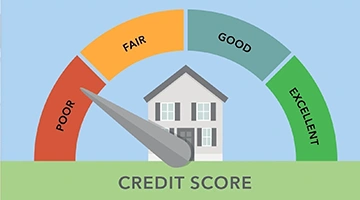
Although having poor credit limits your options, there are still lenders that accept borrowers with credit scores under 500. However, approval is not guaranteed and depends on whether you meet other requirements. Bad-credit loans are also more likely to have higher APRs, smaller amounts, and shorter repayment periods.
Table of Contents
- Is 500 a Good Credit Score?
- What Do Lenders Look at When Reviewing Applicants with Bad Credit?
- Types of Loans Available with Bad Credit
- Last-Resort Options for Bad Credit
- How to Choose the Right Loan with a Credit Score of 500 or Lower?
- Ways to Increase Your Approval Chances
- Bad Credit Loan Alternatives
- How to Boost Your Credit Score
- FAQ
Key Points
- A credit score of 500 or lower falls into the “poor” category, meaning it may be difficult to qualify for most traditional loans.
- There are still loan options available to borrowers with poor credit, though they often come with less favorable terms.
- Common types of loans for a credit score of 500 or less are bad-credit personal loans, payday alternative loans, secured loans, auto loans, student loans, cosigned loans, “Buy Now, Pay Later” programs, and cash advance app loans.
- Exercise caution with high-cost options (payday, title, installment, pawn shop loans) — treat them as last resorts and only when you have a realistic repayment plan.
- Several alternatives to borrowing include government assistance programs, earned wage access, family loans, and nonprofit credit counseling.
Disclaimer: This article is for informational purposes only and does not constitute financial, legal, or lending advice. Consult a licensed financial advisor before making borrowing decisions.
Is 500 a Good Credit Score?
A credit score of 500 or lower is considered poor credit. Here’s where it sits on the FICO and VantageScore scales:
| Ranges | FICO | VantageScore 3.0 |
|---|---|---|
| Poor | 300–579 | 300–600 |
| Fair | 580–669 | 601–660 |
| Good | 670–739 | 661–780 |
| Very Good | 740–799 | – |
| Exceptional/Excellent | 800–850 | 781–850 |
Borrowers with poor credit are considered risky, as low credit scores typically indicate past financial issues, such as late or missed payments, delinquencies, defaults, collections, or bankruptcies. That means lenders are less likely to approve you or offer favorable loan terms.
What Do Lenders Look at When Reviewing Applicants with Bad Credit?
Before making a decision, lenders usually verify your ability to repay. This includes the following:
- Income. Your income is a major factor that determines whether you can afford your monthly loan payments without sacrificing necessities.
- Payment history. Lenders typically check your bank account activity to see how you handle your current bills and obligations. If they detect signs of late or missed payments in the last 6–12 months, they may not approve your application.
- Employment stability. Stable employment signals long-term reliability, making lenders more willing to offer longer repayment periods.
- Current debts. Besides looking at your income, lenders also check what portion of it goes toward paying off your current debts.
- Collateral. Some lenders may ask you to provide collateral to qualify. They will assess its value and condition to determine the loan amount, APR, and repayment term.
Types of Loans Available with Bad Credit
Bad Credit Personal Loans
Although conventional banks usually require borrowers to have a minimum credit score of 580–620, alternative and online lenders may offer personal loans to borrowers with poor or no credit. These loans usually range from $1,000 to $5,000, with some lenders advertising up to $50,000. The Q3 2025 TransUnion Report says the average amount subprime borrowers qualified for was $1,800.
Common repayment terms are 12–60 months. Interest rates are usually fixed. APRs (interest plus fees) for subprime borrowers typically range from the mid-20s to 35.99%.
Payday Alternative Loans
Payday alternative loans (PALs) are financing options that credit unions offer as a more affordable alternative to predatory lending products people with bad credit often rely on. These loans are regulated by the National Credit Union Administration, which caps their interest rate at 28%.
There are 2 types of PALs available. PAL I offers amounts of $200–$1,000 with the repayment period over 1–6 months. To qualify, you need to be a credit union member for at least 1 month. PAL II allows you to borrow up to $2,000 for 1–12 months with no minimum membership duration. Both options may come with application fees of up to $20.
Secured Loans
With a secured loan, you can borrow money against your valuable property, such as a house, car, or jewelry that the lender can hold, or assets that can be assigned as security, such as a savings account or crypto holdings. Your lender places a lien on the asset you use as collateral and determines the maximum loan limit based on its value. You can usually get up to 80%–85% of the asset’s appraised value (can be up to 90% for specific loan types). If you default, the lender can seize the item you pledged.
A secured loan APR can be up to 35.99%, but it’s typically lower than the APR on an unsecured loan with the same amount and term. The repayment period ranges from 12 to 84 months, with some secured options offering longer terms of up to 30 years.
Auto Loans
Auto loans are specifically designed to help people purchase a vehicle. Many lenders offering them set no minimum credit score requirements, because the car you buy is used as collateral and can be repossessed if you default.
Auto loans usually need to be repaid in 24–84 months. Borrowers with bad credit are likely to get higher APRs, with an average of 21.58% for used cars and 15.81% for new cars. Some lenders also ask for a down payment. Documentation, origination, and car registration fees, as well as prepayment penalties, usually apply.
Student Loans
Most federal student loans (except for PLUS loans for parents) do not require a credit check and can be taken out with poor credit. The U.S. Department of Education provides them based on need, dependency, enrollment status, year at school, program of study, and the annual cost of attendance.
Interest rates are determined by the loan type and the first disbursement date. For direct loans first disbursed on or after July 1, 2026, and before July 1, 2027, interest rates are 6.52%–8.07%, depending on the loan type. Origination fees of 1.057% also apply.
Private student loans are offered based on the borrower’s credit and income, making it difficult to qualify with a 500 score. Many students add a cosigner with strong credit and stable, sufficient income to their applications.
Cosigned Loans
Instead of asking you to pledge an asset, some lenders may allow you to add a cosigner to your application. While a cosigner cannot access the loan funds, they will be responsible for repaying the loan if you default.
A lender will assess both your and your cosigner’s creditworthiness when processing your application. With a credit score of 500, you need to add a cosigner who has a score of at least 670 and a steady income.
Late payments — not just default — will appear on your cosigner’s credit report and can lower their score. Have an honest conversation about this risk before asking someone to cosign.
Buy Now, Pay Later (BNPL)
BNPLs are financing programs that allow you to purchase items now and pay for them later in fixed installments. Standard BNPLs are also known as pay-in-4, meaning that the cost of the purchase is divided into 4 equal bi-weekly payments, with the first one typically due upfront. The repayment is made over up to 6 weeks.
You can get a BNPL at checkout or online in your cart at the moment of purchase via specific apps, such as Klarna or Afterpay. Most BNPLs require no hard credit check and have a 0% APR as long as you pay on time, but late fees can be as high as 25% of the order value. Paying late may also affect your credit score if the provider reports it to credit bureaus.
Cash Advance App Loans
Cash advance apps can help you borrow against your future paycheck, often without paying mandatory interest. Loan amounts are usually small and range from $25 to $500, with some apps offering up to $750 or $1,000. No minimum credit score is needed, but most apps require you to link a bank account to your profile, have a history of regular direct deposits, and complete employment verification.
Repayment is made automatically within 14–30 days, with the due date typically tied to your next paycheck. Although most apps advertise a 0% APR, some of them may charge fees for instant deposits or a monthly subscription, which may push the effective APR well above 100%.
Last-Resort Options for Bad Credit
If you cannot qualify for other loan options or they do not work for your situation, there are still several products to consider. Fast and easy to access, these options carry real risks if used irresponsibly — treat them with caution.
Payday Loans
Payday loans are small financing products of up to $1,000 that need to be repaid over a short period, usually 14–30 days. Lenders typically charge $10–$30 for each $100 borrowed, resulting in an APR of around 261%–782%*. High costs and short repayment terms can make them difficult to handle and result in a cycle of debt. Only get them in a real emergency and when you have a realistic repayment plan. Payday loans are banned or heavily restricted in more than 18 states — including New York, New Jersey, Georgia, and Pennsylvania. Check your state’s lending laws at the CFPB or your state regulator’s website before applying.
High-Interest Installment Loans
Installment loans allow you to borrow up to $5,000 and can be repaid in fixed monthly installments over 2–24 months, making them easier to handle. APRs typically start at 16% but may reach 200%+* for borrowers with poor credit. A longer repayment period, along with potentially high APRs, results in more interest paid over time. Calculate the cost of borrowing carefully before committing and consider lower-cost alternatives first.
Auto Title Loans
Title loans are high-interest secured loans that use your vehicle as collateral. The amount you can borrow is usually 25%–50% of your car’s market value. The two major risks of auto title loans are high APRs that can reach 300%* and short repayment periods of 30–60 days. This combination makes it difficult to repay on time, especially if you’re already struggling financially, which increases the risk of losing a car.
Pawn Shop Loans
Pawn shop loans are loans secured by your valuable belongings, such as electronics, jewelry, musical instruments, and more. The item you provide as collateral is physically retained in a pawn shop until you repay the money with interest. The amount you can get is determined by a pawnbroker based on your asset’s value. You can typically borrow 25%–60% of the item’s resale price.
Standard repayment periods are 30–90 days. Monthly interest generally ranges from 2% to 25%, depending on state regulations, which works out to an APR from around 24% to 300%* or higher. If you do not repay the money, the pawn shop can sell your belongings.
*The Military Lending Act (MLA) protects active-duty service members and their dependents by setting Military APR caps on most consumer loans at 36%.
How to Choose the Right Loan with a Credit Score of 500 or Lower?
Although bad-credit loans usually come with less favorable terms, they still vary widely by lender and the option you choose. Comparing offers is crucial if you want to get the best possible loan deal. Here’s what you need to do:
- Decide on the loan type. Each loan is designed for its purpose, with terms adjusted to a particular case (longer repayment terms for mortgages, faster deposits for small emergency loans, etc.). Choose a borrowing option based on what you need the money for. If you are seeking cash for personal needs, ask yourself whether you are ready to provide collateral or add a cosigner.
- Determine how much money you need. Set a specific amount and avoid borrowing more than needed. Then, pick lenders that can fund it.
- Check eligibility criteria. Qualification requirements may vary by the loan company. Make sure you can meet the criteria set by lenders you choose, including your credit score, income, debts, age, bank account activity, and residence.
- Prequalify with multiple lenders. Most lending companies allow you to prequalify online and get potential terms based on your application details. This process usually involves only a soft credit check and does not affect your credit score.
- Compare offers. Pay attention to the APRs, extra fees, repayment terms, funding times, and collateral requirements. Then, choose the option with the terms that suit you most. Use a loan calculator to see your monthly payments and the total cost of borrowing based on the offered terms. This will help you better understand whether the loan fits your budget.
- Check the lender’s license and reputation. Search the lender’s name or NMLS ID on the NMLS Consumer Access database. For local or state-specific lenders, verify information with your local regulator. Also, read what other customers say about their experience with the lender on review sites like Trustpilot and Yelp, and through the Better Business Bureau.
Ways to Increase Your Approval Chances
There are several ways to make lenders more willing to approve you, even with bad credit:
- Pay off debts. This will positively affect both your credit history and debt-to-income ratio, showing lenders you can handle your financial obligations responsibly.
- Verify all your income sources. Your income is among the most important factors lenders consider, especially when your credit is low. If you have several income streams, provide proof of each source.
- Offer collateral. An extra repayment guarantee acts as a safety net for lenders, as they can repossess it if you default. Just evaluate the risk carefully and make sure you have a realistic repayment plan.
- Find a cosigner. If collateral isn’t an option for you, add a cosigner with good credit and stable income to your application. Keep in mind that late payments can affect both your and your cosigner’s credit and finances, so manage this debt responsibly.
- Increase your credit score. The higher your credit, the more likely you are to get better borrowing terms and access a broader range of loans. Learn more about practical ways to improve your credit in the “How to Boost Your Credit Score” section.
Bad Credit Loan Alternatives
If none of the options considered suit your situation, check the following alternatives.
Government Assistance Programs
Federal, state, and local agencies offer government programs to provide people in need with resources based on their circumstances. If you need money for necessities like food, child care, medical treatment, utilities, or rent, consider the following options:
- Supplemental Nutrition Assistance Program. This program provides families in need with EBT cards they can use to buy nutritious food.
- Feeding America. Use the website to find a food bank or pantry serving your ZIP code. Food banks provide free groceries and meals to food-insecure individuals and households.
- Temporary Assistance for Needy Families. TANF supports low-income families with children through cash assistance, job training, and other services to help them achieve economic security.
- Housing Choice Voucher Program. This program provides housing assistance to low-income families, older adults, veterans, and disabled individuals through subsidies paid directly to landlords.
- The Low-Income Home Energy Assistance Program. LIHEAP is a program that helps families pay for energy services, primarily heating during cold months and cooling in the summer. It also helps eligible households with utility reconnection fees and emergency equipment repairs or replacement.
- Medicaid. Medicaid is a health-coverage program that provides mandatory benefits, such as hospital and physician care, laboratory services, home health, and nursing facility services, to low-income families, children, pregnant women, the elderly, and people with disabilities.
Earned Wage Access
EWA is a program offered by some companies to provide employees with emergency cash before their next scheduled pay date. You can access a portion of your earned wages through a specialized platform, such as DailyPay or Payactiv. Standard plans with transfers within 1–3 days are usually fee-free, while instant access to cash may require a per-transfer fee of around $1–$8, depending on the amount and provider.
Borrowing from Your Family
Family loans are formal or informal financial arrangements with negotiated terms where your relatives or friends act as lenders. These loans often have low or no interest and flexible repayment terms but require clear communication to protect relationships.
Nonprofit Credit Counseling
If you’re already struggling with debts, turn to a nonprofit credit counselor instead of taking on another loan that can make your situation even worse. Credit counselors will help you create a debt-management plan that works for you and can communicate with creditors on your behalf to negotiate lower interest rates or flexible repayment plans on your existing debts.
How to Boost Your Credit Score
Boosting your credit score is not an overnight process. It may take you from a couple of months to several years to build good credit, provided that you manage your debts and finances responsibly and use various tools that help your credit score. Here’s what you can start doing right now to improve your credit score:
- Check your credit reports for mistakes. Use AnnualCreditReport.com to access all three copies of your credit reports, or request them directly from the major credit bureaus. Weekly updates are available for free. Review your credit files for inaccuracies, such as derogatory marks or accounts that do not belong to you, and dispute them with credit bureaus.
- Pay on time. Your payment history is a major factor that affects your credit score. By paying your bills and loans on time, you show responsible financial behavior, which can help your credit in the long run.
- Reduce credit utilization. Maxing out your credit cards may be a sign of financial distress and default risk, which negatively affects your credit score. Keep your credit utilization below 30% (ideally below 10%) to build and maintain good credit.
- Keep your old accounts open. When you close your old accounts, it may affect both credit mix and the length of credit. Unless your account has high annual fees, keep it open.
- Avoid multiple loan applications within a short period. Each loan application (except for rate shopping for mortgages, auto loans, and student loans) lowers your credit score by less than 5 points.
- Report your bill and rent payments. Use Experian Boost to get credit for on-time payments on utilities, cell phone bills, and streaming services, or report your rent payments through self-reporting services, such as Self Rent Reporting or Esusu. You can also ask your landlord to provide this information directly if they use a rent payment portal like Zillow Rent or PayYourRent.
- Apply for a credit-builder loan. A credit-builder loan allows you to build both credit and savings. When you apply for it, a lender locks the loan funds in a dedicated savings account that you can access only after you repay the money in full. Each time you make an on-time payment, it’s reported to credit bureaus. Choose lenders that send information to all three major credit reporting agencies to maximize the result.
- Use a secured credit card. A secured credit card is revolving credit that requires a security deposit that typically equals your credit limit. Using it responsibly and paying off the balance each month may help your credit. Over time, you can upgrade to a regular credit card and get your security deposit back.
FAQ
What is the lowest credit score for a personal loan?
It depends on the lender. Traditional banks usually require a credit score of at least 580–620. Online lenders may accept borrowers with a credit score of 400–500 or set no minimum requirements at all. However, the lower your credit score, the higher the APR.
Can I get approved for a personal loan with a 500 credit score?
Yes, getting a personal loan with a 500 credit score is possible, but your options will be limited. Most bad-credit loans are offered by online lenders that often set high APRs, low borrowing limits, and short repayment terms. Alternatively, you may need to provide collateral or add a cosigner to qualify.
Do I need collateral for a loan if my credit score is under 500?
Collateral requirements vary by lender and the loan type. Some products, such as mortgages and auto loans, require you to pledge the property you buy. Personal loan lenders may also ask you for an extra repayment guarantee when you apply with bad credit.
What APRs can I expect with a credit score of 500 or lower?
APR ranges depend heavily on the lender and the loan product. On average, you can expect an APR in the mid-20%–mid-30%. If no lower-rate option is available, carefully weigh total repayment cost and repayment feasibility before accepting triple-digit rates.