How to Improve Your Credit Score in 2026: Timeline and Proven Steps
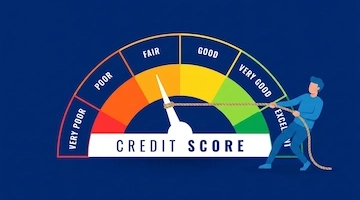
A credit score is a three-digit number, usually between 300 and 850, that serves as a grade of your financial reputation. Banks, credit unions, credit card companies, and online lenders report your credit behavior to the three major credit bureaus (Experian, Equifax, and TransUnion) at least once per month. The information is stored on your credit reports and translates into a specific number based on the mix of parameters that represent how well you handle your debts.
Table of Contents
- Who Uses Your Credit Score
- Credit Score Ranges and What They Mean
- What Factors Determine Your Credit Score?
- How to Improve Your Credit Score: A Step-by-Step Guide
- How to Dispute Credit Report Errors
- How Long Does It Take to Improve Credit?
- Legal Framework
- Common Credit Score Myths
- FAQ
Key Points
- Meaningful credit score improvement is possible at any starting score. You can see first visible results in at least 30 days by taking actions that have a positive impact on the factors used to calculate your score.
- On-time payments and keeping your credit usage under 30% (ideally under 10%) are key steps that help you boost your credit.
- Credit-building tools and apps, including Experian Boost, credit-builder loans, secured credit cards, and becoming an authorized user, maximize positive impact.
Who Uses Your Credit Score
A credit score is used by lenders to predict the likelihood that a person will fall at least 90 days behind on a bill within the next 24 months. This helps lenders decide whether to approve the applicant for a loan or a credit card and what APR to offer. However, credit scores may also affect the ability to rent a house, access a better insurance rate, or get a new job, since employers can check your credit, especially when hiring for positions that require financial responsibility and management.
There are two major credit scoring models: FICO and VantageScore. The FICO model is maintained by the Fair Isaac Corporation and used by 90% of top lenders. The VantageScore is a product of collaboration between the three nationwide credit bureaus. Its key users are fintech companies, online lenders, credit monitoring websites, landlords, and utility companies. However, traditional lenders, including mortgage companies, can also rely on your VantageScore 4.0 as part of their underwriting process.
Credit Score Ranges and What They Mean
Both FICO and VantageScore use a credit score scale from 300 to 850. However, the ranges and intervals corresponding to them differ. The table below shows how they are classified:
| Ranges | FICO | VantageScore |
|---|---|---|
| Very Poor | – | 300–499 |
| Poor | 300–579 | 500–600 |
| Fair | 580–669 | 601–660 |
| Good | 670–739 | 661–780 |
| Very Good | 740–799 | – |
| Exceptional/Excellent | 800–850 | 781–850 |
Having a good to excellent credit score means you can get approved for most traditional loan deals, provided that you meet the lender’s other requirements. It also helps you get better loan terms and lower APRs, as you pose less risk to a lender. Fair credit can limit your options and increase the APR offered, while a poor score can completely hold you back from getting approved for a loan or a credit card.
What Factors Determine Your Credit Score?
The exact algorithms used by FICO and VantageScore to come up with your credit score are proprietary. However, both models disclose what parameters they rely on to calculate your score.
The FICO model considers 5 key categories of information:
- Payment history (35%). This factor tracks whether you pay your bills and loans on time. Even a single payment made 30 days late or more can drop an excellent credit score by 60–80 points, while a 90-day late payment could drop the same score by 110–130 points.
- Credit utilization (30%). Also known as credit usage, this parameter shows how close you get to your credit limit on all your credit cards. Experts recommend using no more than 30% of your available limit.
- Length of credit (15%). The FICO model assumes that the longer you use credit, the more experienced and responsible you become at managing your account. It also gives lenders a more complete picture of how you handle your finances in the long run. Length of credit history is calculated based on a range of metrics, including the average age of your accounts, the age of your oldest account, and how much time has passed since you opened your last account.
- Credit mix (10%). A mix of credit shows lenders whether you can manage both installment debt and revolving credit responsibly.
- New accounts (10%). New accounts appear on your credit report each time you take out a loan or a credit card. This factor also includes hard inquiries that most lenders perform when assessing your loan eligibility. Such pulls can drop your credit score by less than 5 points each, unless you shop around for one loan type within a reasonably short period.
Unlike the FICO model, VantageScore takes into account 6 factors. The model does not specify how much weight is given to each category, but it provides the level of influence:
- Payment history (extremely influential).
- The percentage of your credit limits you’re using (highly influential).
- The length of your credit history and the mix of your credit accounts (highly influential).
- Total amounts of debt you owe across all accounts (moderately influential).
- Recent credit behavior, which is the number of hard credit checks and new accounts opened (less influential).
- The total amount of credit available to you (less influential).
How Do FICO vs. VantageScore Approaches Differ?
Although similar, FICO and VantageScore have several core differences in how they treat certain marks on your credit report. The FICO model counts multiple hard inquiries made within 45 days for the same loan purpose as one inquiry, while VantageScore uses a 14-day span. FICO only includes mortgages, vehicle loans, and student loan inquiries, while VantageScore takes into account hard inquiries for all credit types, including credit cards.
For accounts in collection, the FICO Score 8, 9, and 10 models ignore small debts with balances of less than $100. VantageScore 3.0 and 4.0 display all unpaid accounts in collection, no matter their balances. Paid collections are disregarded by both the VantageScore and FICO 9 and 10 models.
How to Improve Your Credit Score: A Step-by-Step Guide
The steps that move a score, in order of impact
Ranked by how much weight each carries in the scoring formula. The first two do most of the work.
-
Biggest lever · 35% — Pay every bill on time
This is the most important single action. Set up automatic payments, but keep enough in the account to avoid overdraft.[1] A single payment 30 or more days late can do real damage, and an account sent to collections or a bankruptcy does more.
-
Second lever · 30% — Keep balances well below your limits
Utilization is how much of your available credit you are using. Aim to use 30% or less; lower helps more.[3] Carrying a balance close to the limit pulls the score down even when payments are current.
-
Foundation · 15% — Keep old accounts open
A longer history helps. Closing an old card shortens your average account age and can cut your available credit, raising utilization. Leaving a paid-off card open generally helps.
-
Be selective · 10% — Apply for new credit only when you need it
Each application can trigger a hard inquiry that dings the score for up to six months. When rate-shopping a mortgage or auto loan, cluster applications within a short window so they count as a single inquiry.
-
Maintenance · Ongoing — Check your reports and dispute errors
Get free reports weekly from each bureau at AnnualCreditReport.com, the only federally authorized source.[2] Credit reports are the top source of complaints to the CFPB and are often error-prone, so correcting mistakes is real, free score repair. Learn more about the ways to file your complaint.
Avoid credit-repair scams. No legitimate company can remove accurate negative information, and you can do everything a credit-repair firm charges for yourself at no cost. Disputing errors and waiting out accurate negatives is the only real path.
A credit score boost happens when you take specific steps that positively affect the factors scoring models rely on when calculating your FICO and VantageScore ratings. Here are the steps to take to see the first results.
Step 1: Dispute Inaccuracies on Your Credit Report
Errors on your credit file can appear due to human mistakes, data transmission issues, or lender negligence. Your loan provider may report incorrect information about your loan balance or payment, or your file may be mixed with someone else’s with a similar name or Social Security number. Therefore, you should start by reviewing your credit profile regularly to ensure the information it contains is correct.
All consumers can get a free copy of their credit report from the three major credit bureaus at AnnualCreditReport.com, with access to free weekly updates available. Some banks and credit card companies may also provide free credit monitoring via online banking. If you find any inaccuracies, file a dispute with the corresponding credit bureau. If the dispute is successful, the bureau will correct the information within 30 to 45 days, so you will see an increase in your credit score.
Step 2: Always Pay on Time
As your payment history is the major component of your credit score in both scoring models, managing your bills and loan payments responsibly should be a priority. List all your payments so as not to miss even a single bill, and set an autopay for recurring ones. Keep track of your account balance before the due date to ensure you have enough money for the payment. You can expect first results in 30–45 days, though the effect will intensify over 3–6 months.
Step 3: Handle Debt in Collections
If you have an unpaid debt in collections, pay it off as soon as you can or negotiate a payment plan with a lender or collection agency. Ignoring debt means it will negatively affect your credit score for 7 years. Additionally, it may result in a lawsuit and lead to wage garnishment or a lien against your property. Once your account in collection is paid off, you will see a credit score boost in 30–45 days.
Step 4: Reduce Your Credit Usage
Avoid getting close to your current credit limits and keep credit utilization below 30% of what is available. If you already have a high credit usage, pay off your current balances partially or in full, or contact your credit card issuer and ask for a higher limit. The initial boost will happen in 1–2 months, right after your credit card company reports this information to the credit bureaus. Alternatively, you can ask a card issuer for a limit increase.
Step 5: Keep Your Old Accounts Open
Old accounts in good standing stay on your credit report for up to 10 years, helping you maintain good credit. When you close them, you shorten the length of your credit history and potentially increase credit utilization. As a result, you can see an unexpected decrease in your credit score. This move can be reasonable if a credit card has high annual fees you can no longer afford, but contact the issuer first. In some cases, you can ask for a downgrade or a shift to a no-fee card.
Step 6: Diversify Your Credit Mix
Add new accounts to your mix of credit to show lenders that you can handle different types of debts. Scoring systems favor a mix of installment debts (personal loans, mortgages, auto loans, student loans, etc.) and revolving accounts (credit cards, lines of credit).
Note: Credit mix makes up only 10% of your credit score. Do not apply for new loans simply to improve it. Follow this step responsibly so as not to put yourself at risk of taking on debt you cannot afford.
Step 7: Limit Credit Card Applications
When you shop around for the best loan offer, scoring systems treat these multiple requests as a single inquiry to reduce the negative impact of hard credit checks on your credit score. However, it does not work the same for credit cards when it comes to the FICO scoring system. Each time you apply, a hard pull will count individually.
Step 8: Use Credit-Building Tools and Products
Besides managing your current obligations responsibly, you can also use extra tools that speed up the credit-building process:
- Perpay+. This app provides a spending limit of up to $1,000 reported to credit bureaus for $5 per month. Responsible usage will benefit both your payment history and credit utilization.
- Kikoff. Kikoff offers a revolving tradeline of $750 to $3,500 with weekly credit reporting to all three credit bureaus and no hard inquiries. Plans cost $5–$35 per month, depending on the limit.
- Experian Boost. Launched by Experian, this tool allows you to add eligible rent, utility, phone, insurance, and streaming service payments to your credit report. However, it will only help you improve your Experian credit score.
- Credit-builder loans. This product works similarly to regular installment loans, but without giving you money right away. Instead, you make regular payments upfront over a set period, usually 6–24 months. The lender places the loan amount in a savings account, with access unlocked after repaying the loan in full. Each on-time payment is reported to credit bureaus.
- Secured credit cards. A secured credit card requires a cash deposit that serves as your credit limit. Then, you can simply use it as you would any other and improve your credit score by demonstrating responsible behavior. Over time, you may be eligible for an upgrade to an unsecured credit card with a higher limit.
- Becoming an authorized user. If you have a trusted family member or friend with a credit card account in good standing, ask them to add you to it. This lets you build credit through the primary holder’s positive payment and usage history.
- Nonprofit credit counseling. The National Foundation for Credit Counseling (NFCC) is the largest nonprofit financial counseling service in the U.S. It helps individuals manage debt, improve credit, and achieve financial stability. NFCC-certified counselors provide expert, personalized advice on budgeting, debt management, housing, and student loans through nonprofit member agencies.
- Credit monitoring services. Such services are commercial institutions that charge you a fee for the ability to access your credit reports and get alerts of changes to your accounts. This option may help you track your results and detect errors early.
Note that subscription-based credit-builder tools charge a recurring fee whether or not your score improves. Compare with free options first.
How to Dispute Credit Report Errors
The first step you should take when you find an error on your credit report is to let the corresponding credit bureau know about it. Send a dispute letter where you explain what you think is wrong and attach all the required supporting documents or their copies. The letter should contain the following information:
- Full name and date of birth.
- The copy of your ID.
- Your Social Security number.
- Phone number, email, and current and former addresses (proof of address should be attached).
- Credit report confirmation number (for Equifax reports).
- Explanation of each error you want to fix, including the account number, with a clear comment on why you think it should be disputed.
- Name of the company that reported the item you’re disputing.
- Written request to correct or remove the wrong information.
- A copy of the part of your credit report with disputed items highlighted.
- Any documents or their copies that prove the information you are disputing is inaccurate.
A dispute letter can be sent online or by mail. Below are contact details for each credit reporting company as of May 2026:
Experian
- Online disputing: https://www.experian.com/help/dispute-credit/.
- Mailing address: P.O. Box 4500, Allen, TX, 75013.
- Phone number for more details: 1-888-397-3742.
Equifax
- Online disputing: https://www.equifax.com/personal/credit-report-services/credit-dispute/.
- Mailing address: Equifax Information Services LLC, P.O. Box 740256, Atlanta, GA, 30374.
- Phone number for more details: 1-888-378-4329 (9:00 am to 9:00 pm (ET), Monday to Friday, and 9:00 am to 6:00 pm (ET), Saturday and Sunday).
TransUnion
- Online disputing: https://www.transunion.com/credit-disputes/dispute-your-credit.
- Mailing address: TransUnion Consumer Solutions, P.O. Box 2000, Chester, PA, 19016-2000.
- Phone number for more details: 1-800-916-8800 (8 am to 11 pm (ET) Monday to Friday, 8 am to 5 pm (ET) Saturday and Sunday).
How Long Does It Take to Improve Credit?
How quickly your credit score improves depends on your starting score, the specific steps you take, and how it affects other factors used for calculations. Since lenders report information monthly, you typically need at least 30 days to see the first noticeable changes. However, you should not expect a 100-point credit score increase in just one month.
Your responsible behavior has a cumulative effect. People with poor credit are likely to see positive effects faster compared to those with a good score. For someone with bankruptcy or foreclosure, recovery can take up to 10 years. Even those who improve their scores from 400 or 500 to 700 still need years of consistently following good credit habits.
Legal Framework
The Consumer Financial Protection Bureau (CFPB) regulates the credit reporting and scoring industry to ensure accuracy, fairness, and compliance with federal law. Major documents that govern the processes include the Fair Credit Reporting Act (FCRA) and the Credit Repair Organizations Act (CROA).
Under the FCRA, consumers have the following major rights:
- Get information about which agency provided the details of your credit report if the data in it is used against you.
- Request a free copy of your credit report once a year from the three major credit bureaus (you can do it directly from each agency or via AnnualCreditReport.com).
- Access your credit score from consumer reporting agencies or from a lender, although the latter may result in an extra fee.
- Dispute inaccuracies and demand their correction or removal within 30 days after filing a complaint.
- Place fraud alerts on your file to prevent further misuse in case of identity theft.
On top of that, the FCRA limits access to your credit file, making it available only to people with a valid need. It also states that your credit report cannot be provided to employers without your prior consent.
The CROA ensures that you will get fair services from credit repair companies. Here is what it includes:
- The right to cancel a contract within 3 days of signing, without penalty.
- Written contracts with clear costs, services, and timeframes are mandatory for credit repair businesses.
- No for-profit credit repair organization can charge you an upfront fee or receive money before they fully perform their services.
- Deceptive claims and false statements are prohibited so as not to mislead consumers.
- Consumers have the right to sue a credit repair organization in federal court for violations within 5 years (or 2 years after discovery).
Common Credit Score Myths
There is a lot of misleading information about building and repairing credit. We address 5 common myths to help you avoid mistakes.
Myth 1: Negative credit report information means you will never get a loan.
Fact: Events like late payments, credit card defaults, bankruptcy, foreclosure, and more are not permanent. Over time, their impact fades, especially if you follow good credit habits. All negative marks will drop off your credit report in 7 to 10 years. On top of that, there are lenders that can approve you for a loan, even if your credit score is not great, and there are derogatory marks on your credit report.
Myth 2: Credit repair firms can quickly fix your credit by removing negative information from your credit report.
Fact: If the information is accurate, it cannot be erased before the removal timeline set by law for each type of mark.
Myth 3: Checking your credit report and rate shopping hurt your score.
Fact: When you check your own credit report, it does not affect your score. Multiple loan applications over a short timeframe are treated as one, provided that you apply for a loan for the same purpose.
Myth 4: Carrying a balance on your credit card helps your score.
Fact: You should aim to pay off your credit card balances in full every month to build and maintain good credit. This is especially true if you use more than 30% of your overall credit limit.
Myth 5: Debt is bad, and you should avoid it.
Fact: Responsible credit usage will help you establish credit and reach your goals without waiting until you save enough for them. If you take out a loan to purchase a house or finance your education, it is considered good debt that can gain value over time.
FAQ
What is the average credit score in the U.S.?
According to the latest report, the average FICO credit score in the U.S. is 714. The average VantageScore number is 701, based on February 2026 data.
What will change in credit scores in 2026?
In April 2026, Fannie Mae announced that scoring models will increasingly consider rent, utility, and telecom payments, allowing for a more comprehensive assessment of your financial behavior. Buy Now, Pay Later plans may also start appearing on credit reports, meaning that paying them back on time can help establish credit. Medical debt protections were rolled back in 2025. The federal rule removing medical bills was vacated in July 2025. The bureaus’ voluntary 2023 changes (paid collections and balances under $500 excluded) still apply in 2026.
How can I improve my credit score fast?
Effective credit score improvement tips include paying your bills on time, maintaining credit utilization below 30%, and using extra credit-building and repair tools, such as Perpay+ or Experian Boost. However, the process still takes time. First results can come in 30–45 days, but you may need years to reach good credit.
Why are my credit scores different?
Not all loan providers report your data in the same way. Some lenders may only send your credit information to one or two credit bureaus, meaning that there may be differences between credit reports. This may affect your length of credit, credit mix, and credit utilization, which can potentially impact your score.
What habits bring my credit score down?
The worst things you can do for your credit are paying late, getting very close to your credit limits, closing old accounts, and ignoring debt in collections.
Can I get a 700 credit score in 30 days?
While there are tools to help you boost a credit score quickly, it’s almost impossible to reach 700 in one month, especially if your credit score is poor. Be patient and follow responsible credit habits, such as on-time payments and keeping your credit usage below 30%. Depending on your starting score, you may need several months to 2 years to get a 700 score.
-
[1]
Board of Governors of the Federal Reserve System, 5 Tips for Improving Your Credit Score
2009
-
[2]
Federal Trade Commission, Free Credit Reports / Permanent Access to Free Weekly Credit Reports
2023–2026
-
[3]
FICO (myFICO), What’s in My FICO Scores
2025